How ALTA Surveys Affect Title Insurance Premiums

Last Updated: October 30, 2026
Quick Summary
An ALTA survey usually does not lower the base title insurance premium, since premiums follow filed rates. Its real effect on alta survey premiums is broader coverage: it can remove survey exceptions, support endorsements, and reveal issues that affect closing.
Title premiums are generally based on filed rates, so the survey does not change the base figure.
A certified survey can support removing the standard survey exception from the commitment.
Some endorsements require survey support and may add a separate charge rather than save money.
Ask the title insurer in writing which exceptions and endorsements the survey can affect.
Compare the survey cost against the coverage and risk reduction it may provide.
Table of Contents
Buyers of commercial land often assume an ALTA survey will automatically cut their title insurance bill, but the alta survey premiums question is more nuanced than that. It doesn't work that way, and the answer depends on what the survey finds and how the title insurer underwrites the deal. This guide from CDB Surveying explains how ALTA surveys interact with title insurance premiums, what changes coverage, and what to ask before you order one.
What an ALTA/NSPS Land Title Survey Covers
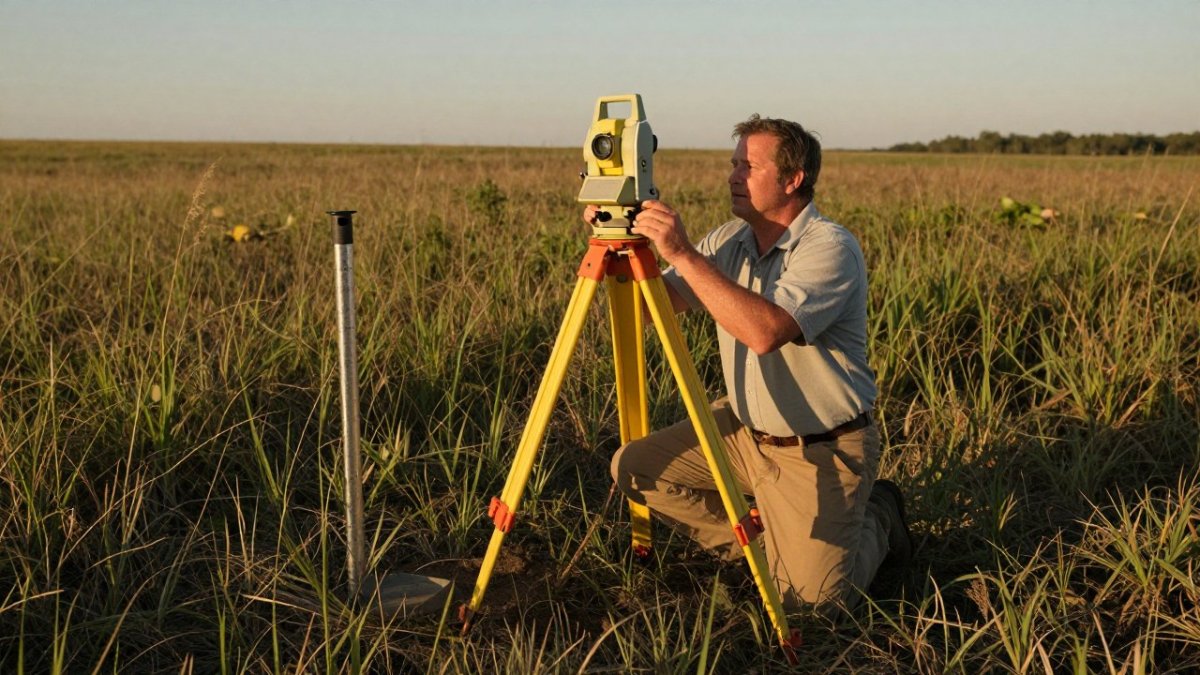
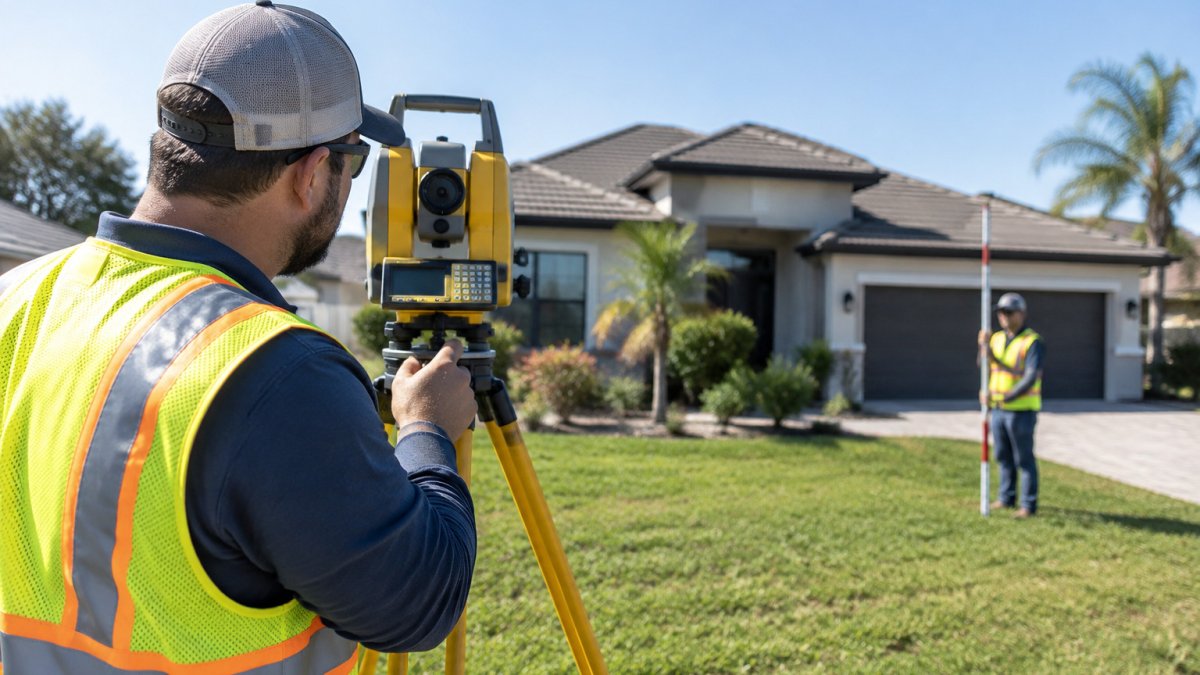
An ALTA/NSPS Land Title Survey is a detailed survey of a property prepared to a set of national minimum standards jointly adopted by the American Land Title Association and the National Society of Professional Surveyors. Read a developer's primer on what an ALTA/NSPS survey is and includes. It shows boundary lines, improvements, easements, rights-of-way, utilities, and encroachments.
Table A items are the optional add-ons, such as zoning information, parking counts, or flood zone designation, that a buyer or lender can request. Review the full ALTA requirements for commercial deals, including Table A items and closing timing.
Does an ALTA Survey Lower Your Title Insurance Premium?
Usually not directly, and that distinction is the single most important thing to understand about this keyword. Title insurance premiums are generally based on filed rates, which vary by state and insurer, so confirm the specifics for your deal with your title insurer. An ALTA/NSPS survey does not appear as a line item that reduces the filed rate. Order the survey or skip it, and the base owner's or lender's premium for the same coverage amount will typically come out the same.

What the survey can change is everything around that base rate:
Standard exceptions. The title commitment usually includes a survey exception that excludes coverage for boundary disputes, encroachments, and similar matters not shown by the public records. A survey that resolves those questions can support the insurer's decision to remove or narrow that exception, broader coverage at the same base premium.
Endorsements. Some endorsements (access, contiguity, survey, zoning) depend on survey support or a satisfactory survey certification. Where an endorsement carries a separate charge, the survey may add cost rather than reduce it, but it buys coverage the buyer would not otherwise have.
Underwriting requirements. A survey can convert a conditional commitment into a clean one, or reveal a problem the insurer requires to be resolved before closing. That affects insurability and timing more than price.
Risk and claims. The real economic value of the survey is usually in avoided claims and renegotiated purchase terms, not in the premium line.
Key Takeaway A survey rarely produces a direct premium discount. It produces better coverage, fewer exceptions, and fewer surprises, which is a different kind of savings.
How to verify the rules that apply to your deal. Premium regulation, rate filings, and endorsement availability vary by state and by insurer, so confirm the specifics rather than assuming:
Ask the title insurer or agent, in writing, whether any survey-related credit, reissue rate, or endorsement charge applies to your policy amount.
Request the filed rate schedule reference the quote is based on.
Ask which standard exceptions the insurer will remove if the survey is certified to its requirements.
Confirm whether the survey certification wording the insurer requires matches what your surveyor will sign.
A common pattern is that buyers who expect a discount are disappointed, while buyers who expected broader coverage and fewer closing surprises get exactly what they paid for.
How Survey Findings Affect Title Insurance Coverage
The effect of a survey on coverage depends on what it reveals. A clean survey that matches the record description often supports broader coverage. A survey that shows a fence over the line, a building crossing an easement, or a parking area in a right-of-way will typically lead to specific exceptions or requirements.
Many buyers find that survey findings matter more for coverage than for price. A finding that changes what the policy covers may matter far more than the premium difference.
Matching boundaries: may support fewer survey-related exceptions
Encroachments: usually result in specific exceptions or resolution steps
Easement conflicts: may need legal review before closing
ALTA Survey Title Insurance Exceptions and Endorsements
Title commitments list exceptions, which are matters the policy will not cover. A survey can narrow these by showing the true condition of the land. Survey-based endorsements, such as those covering access or contiguity, may be available depending on the insurer and state.
Ask the title company for the full list of exceptions before fieldwork begins, since knowing them helps you judge how alta survey premiums will affect your policy.
Watch out: an endorsement that depends on survey support can be delayed or denied if the survey certification does not match the title company's requirements, so confirm the exact certification wording first.
Worked Premium Example: Before and After Survey Review
Because filed rates vary by state and insurer, any worked example has to be illustrative. The structure below shows how the pieces fit together; plug in your own title commitment and quote to see the actual effect.
Scenario. A buyer is acquiring a commercial parcel and receives a title commitment with a $2,000,000 owner's policy amount. The commitment lists a general survey exception, a standard access exception, and an exception for a recorded utility easement along the rear of the property.
Before the survey.
Base owner's premium: set by the filed rate schedule for a $2,000,000 policy. The survey does not change this figure.
Survey exception: remains on the policy. Boundary disputes and unrecorded encroachments are excluded.
Access exception: remains. The insurer is not yet willing to insure access.
Easement exception: remains as recorded.
After the survey.
Base owner's premium: unchanged, because the filed rate did not move.
Survey exception: the surveyor's certification shows boundaries matching the record description and no encroachments, so the insurer agrees to remove the general survey exception. Coverage is broader at the same base premium.
Access exception: the survey documents physical access to a public road, supporting an access endorsement. If the insurer charges a separate endorsement fee, that amount is added to the total, a cost, not a savings.
Easement exception: the survey shows the utility easement is clear of all improvements, so the insurer may narrow the exception to the recorded easement only. No premium change, but the scope of the exclusion is tighter.
The finding-by-finding rule of thumb.
Findings that change coverage but not the premium: removed survey exceptions, narrowed easement exceptions, documented access, contiguity confirmation.
Findings that change the premium: endorsement charges that require survey support, reissue or refinance rate eligibility tied to the prior policy (not the survey), and any state-specific credits the insurer applies.
Findings that change neither but change the deal: an encroachment that must be resolved before closing, a boundary discrepancy that reopens price negotiation, or a right-of-way conflict that requires legal review.
Watch Out Do not assume every survey finding produces a discount. Most produce underwriting consequences, broader coverage, fewer exceptions, or a required cure, and only some produce a pricing consequence. Ask the insurer which is which before you sign.
How to get a survey-based quote. Send the title insurer or agent four things: (1) the title commitment, (2) the property description and address, (3) the policy amount and type (owner's, lender's, or both), and (4) the endorsements you want quoted. Ask them to state, in writing, which exceptions the survey can remove, which endorsements require survey support, and what each endorsement costs. That written response is the only reliable before-and-after comparison for your specific deal.
The table below sums up how each type of survey finding affects coverage, premium, or the deal itself.
Survey finding | Effect on coverage | Effect on premium |
Survey exception removed | Broader coverage | Base premium unchanged |
Easement exception narrowed | Tighter exclusion scope | No premium change |
Access endorsement documented | Access coverage supported | Separate fee may apply |
Endorsement requiring survey support | Additional coverage | Cost added, not saved |
Encroachment found | Specific exception or cure needed | Not a discount trigger |
Boundary discrepancy | Reopens purchase terms | Affects deal, not premium |
ALTA Survey Cost for Commercial Property vs. Potential Savings
Survey fees depend on property size, complexity, the number of Table A items requested, and local conditions. Pricing depends on scope and timing, so CDB Surveying provides quotes for each project. Contact CDB Surveying for current pricing or a quote. Compare the survey cost against the coverage it may unlock, not just the premium line.
A survey can also reduce risk after closing by documenting the property as it stood at purchase. That documentation has value even when it does not change the premium.
Boundary Survey vs. ALTA Survey: Which Protects Your Premium Position
A boundary survey shows property lines and visible improvements for a specific purpose, such as a fence or a building permit. An ALTA survey goes further. It meets national minimum standards, includes easements and encroachments from title review, and is designed for lenders and title insurers.
If your goal is to support title coverage in a commercial transaction, an ALTA survey is usually the right choice. Compare boundary and ALTA surveys for commercial land side by side. A boundary survey may be enough for a residential fence project.
Requesting a Survey-Based Title Insurance Quote from CDB Surveying
Start by sending your title commitment, the property address, and the Table A items you want to the CDB Surveying team. Ask your title company which survey certification and Table A items they require so the survey meets their underwriting needs. With that information, CDB Surveying can scope the fieldwork and provide a quote.
Request a quote from CDB Surveying to discuss the scope of your survey and confirm which items your title insurer will need. Before your closing date, also review the timing requirements for ALTA surveys so the survey and title work arrive in time.
Frequently Asked Questions
Does an ALTA survey affect title insurance premiums?
Usually not directly. Title insurance premiums are generally based on filed rates, so a survey typically does not change the base rate. What a survey can change is what the title insurer is willing to cover and on what terms. Survey findings may lead to fewer standard exceptions, the addition of endorsements, or a decision to insure over a known issue. Those coverage changes can shift total closing costs, so ask your title company to confirm exactly which items, if any, affect your quote.
Can an ALTA/NSPS survey reduce title insurance costs?
In some transactions it can reduce costs indirectly. When a survey removes a general exception, such as one for unrecorded easements or matters a survey would disclose, the insurer may issue a policy with broader coverage at the same rate, or may reduce certain add-on charges. Whether any savings occur depends on the state, the insurer, the property, and the specific exceptions being removed. Request a quote showing the rate with and without survey-based changes.
How much does an ALTA survey cost for commercial property?
Cost depends on property size, complexity, the table items selected, boundary research, and the level of fieldwork required. Pricing is not published here, so request a quote for your specific parcel. Ask for the scope of table items included, the expected delivery timeline, and whether revisions are included. Compare the survey cost against the potential savings from removed exceptions and the risk reduction a survey provides before closing.
What is the difference between a boundary survey and an ALTA survey?
A boundary survey establishes property lines and corners, usually for a fence, addition, or dispute. An ALTA/NSPS land title survey follows the ALTA/NSPS minimum standard detail requirements and includes boundary lines, easements, encroachments, improvements, zoning information, and a certification to the parties named. Lenders and title insurers typically rely on ALTA surveys for commercial transactions, while a boundary survey may not satisfy underwriting requirements on its own.
Ready to see how a survey could affect your coverage? CDB Surveying helps commercial buyers, lenders, and developers match the right survey scope to their title requirements. Request a quote today to start the process.

Comments